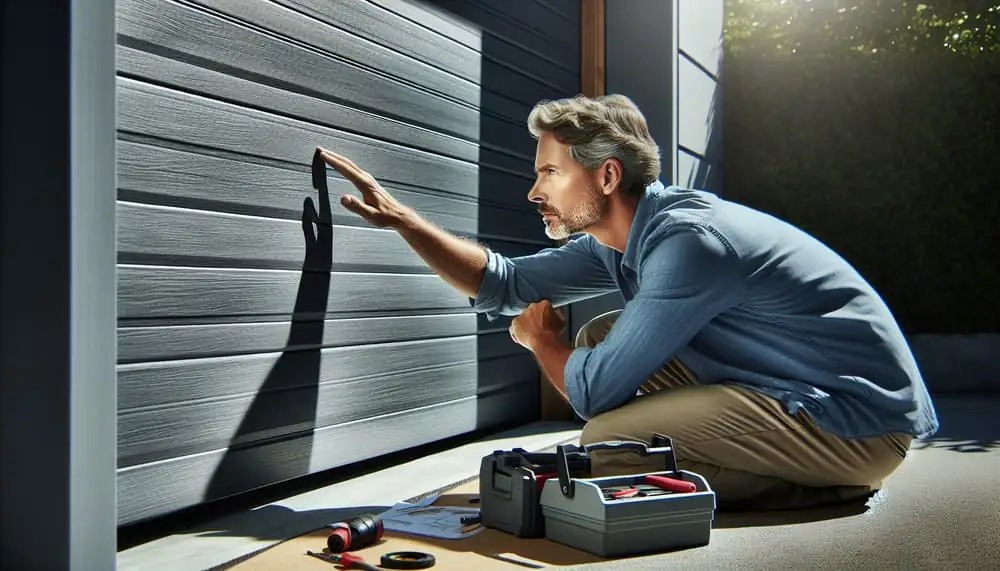
Understanding Garage Door Noise
Garage doors are essential components of our homes, providing security and convenience. However, they are not always quiet. Noisy garage doors can be annoying and may even indicate underlying issues that need to be addressed. This article delves into the causes of garage door noise and offers actionable tips to reduce it, ensuring a more peaceful home environment.
Common Causes of Garage Door Noise
Before tackling the noise issue, it's essential to understand what causes it. Knowing the source can help you take the right steps to mitigate the sounds.
1. Lack of Lubrication
One of the most common reasons garage doors become noisy is due to a lack of lubrication. Moving parts that are not adequately lubricated can create friction, resulting in squeaks and creaks.
2. Worn-Out Rollers
Garage doors operate on rollers, and over time, these can wear out. Worn rollers can lead to a rattling noise as they fail to glide smoothly along the tracks.
3. Loose Hardware
As garage doors age, screws and bolts can loosen, resulting in clanking or banging sounds during operation. Regular maintenance can help identify and tighten these components.
4. Misaligned Tracks
If the tracks that guide the door are misaligned, it can cause the door to drag and create noise. This misalignment can also lead to further damage if not addressed promptly.
Practical Tips to Reduce Garage Door Noise
Now that we've identified potential causes, let’s explore practical solutions to address and reduce garage door noise.
1. Regular Maintenance and Inspection
Regular maintenance is key to a quiet garage door. Schedule biannual inspections with professionals like A & P Garage Door Repair in Lemoore, CA, to catch issues early. Maintenance should include:
- Lubricating moving parts
- Tightening loose bolts and screws
- Inspecting weather stripping
- Aligning tracks
2. Lubrication Techniques
To keep your garage door functioning smoothly, use a high-quality lubricant. Here's a step-by-step guide:
- Shut the garage door and disconnect the opener.
- Apply lubricant to the rollers, hinges, and tracks.
- Wipe away any excess with a cloth to prevent dirt buildup.
3. Upgrade Rollers
If your garage door continues to be noisy despite maintenance, consider upgrading to nylon rollers. Nylon rollers are quieter than metal ones and can significantly reduce noise levels.
4. Install Soundproofing Materials
To further dampen noise, consider adding soundproofing materials to your garage. Options include:
- Acoustic panels on walls
- Soundproofing insulation in the garage
- Rubber mats on the garage floor
5. Tighten Loose Hardware
Regularly check for loose screws, bolts, and nuts. Tightening these elements can significantly reduce rattling sounds. Consider using a socket wrench for tight spots.
Statistics on Garage Door Performance
Did you know that a well-maintained garage door can last between 15 to 30 years? According to industry statistics, regular maintenance can improve this lifespan and functionality. It’s estimated that 70% of garage door noise issues stem from insufficient lubrication and wear. Therefore, proactive maintenance can save you time and money in the long run.
Conclusion
Reducing garage door noise is not only about comfort; it’s also about maintaining the longevity of your garage door system. By implementing regular maintenance, lubrication, and potential upgrades, you can enjoy a quieter and more efficient garage door. If you're in Lemoore, CA, and your garage door still makes noise despite these efforts, don't hesitate to reach out to A & P Garage Door Repair for expert assistance. Your comfort is just a call away!
Call to Action: Ready to silence your garage door? Contact A & P Garage Door Repair today for a thorough inspection and professional service tailored to your needs!
Explore More Resources
Related Articles
Service Areas
We proudly serve Lemoore, Halls Corner, Armona, Grangeville, Stratford and more areas.
Our Services
Professional garage door repair, spring repair, opener installation and more. View all services →